Our future is undeniably urban. Today, more than half of the world’s population lives in cities, and an additional
1.5 million people join the global urban population every week. According to the UN Department of Economic and Social Affairs,
68% of the world’s population will reside in urban areas by 2050. Managing land-use dynamics has become a major challenge for planners and policymakers—even in highly developed countries such as the UK.
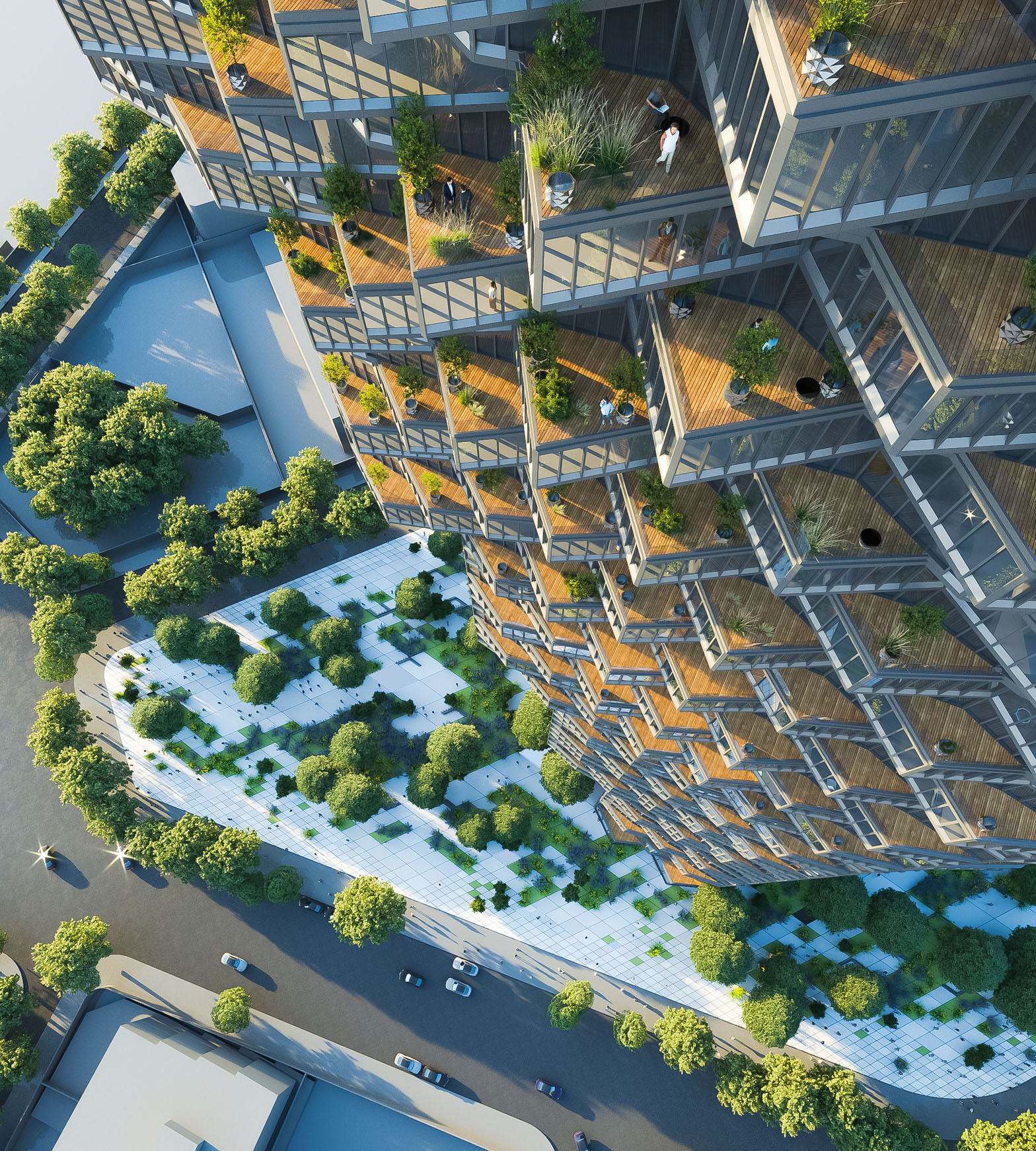
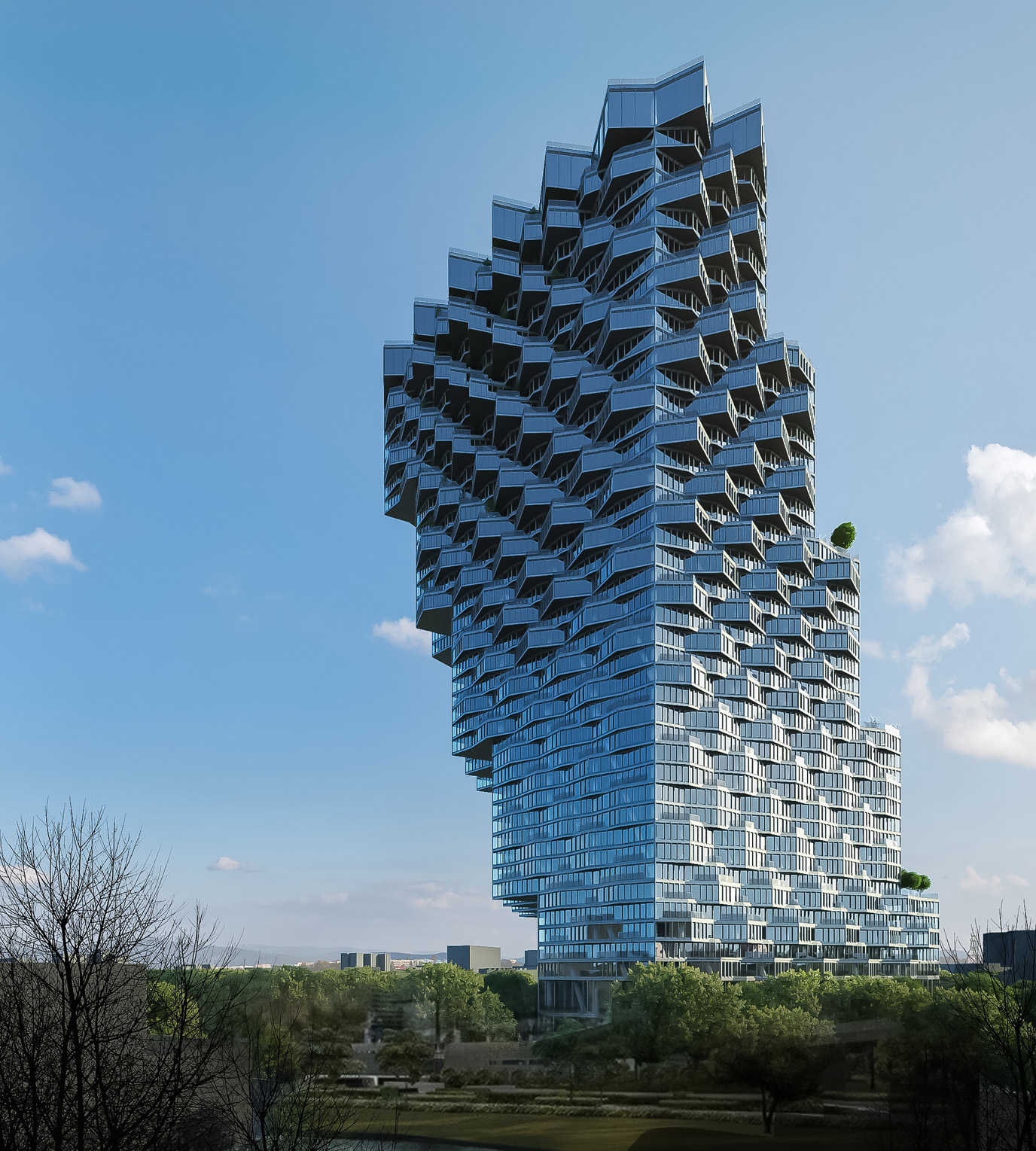
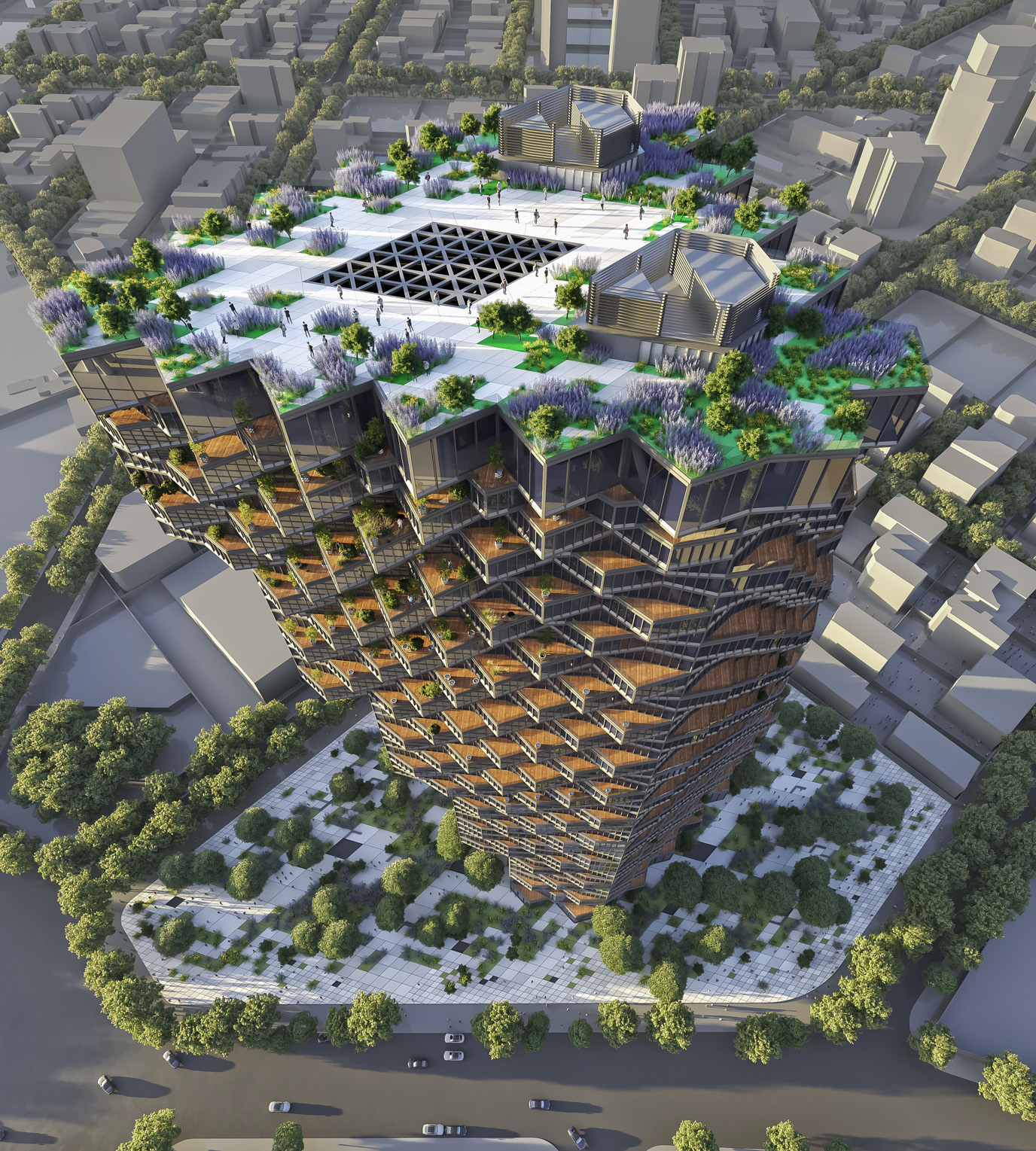
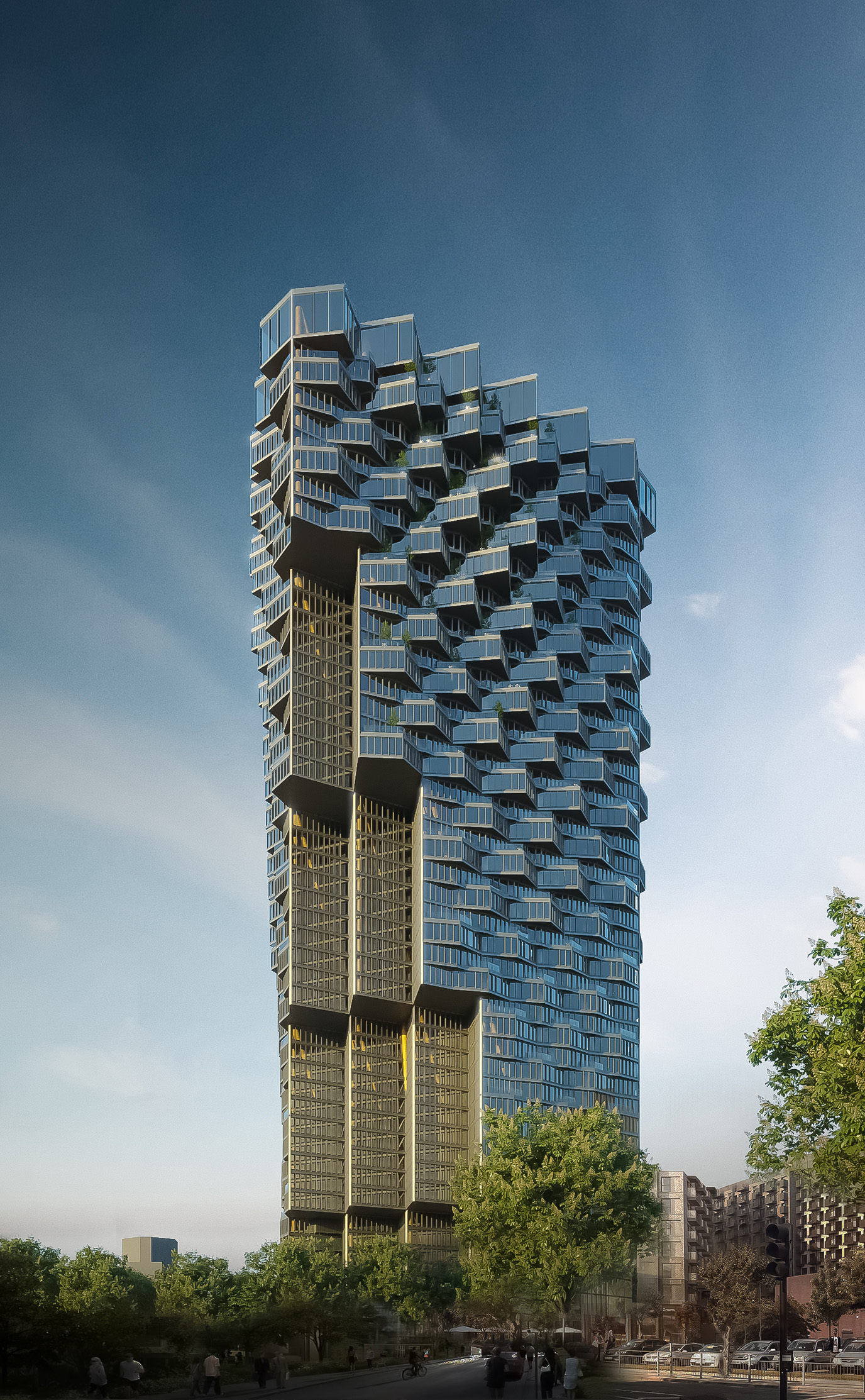
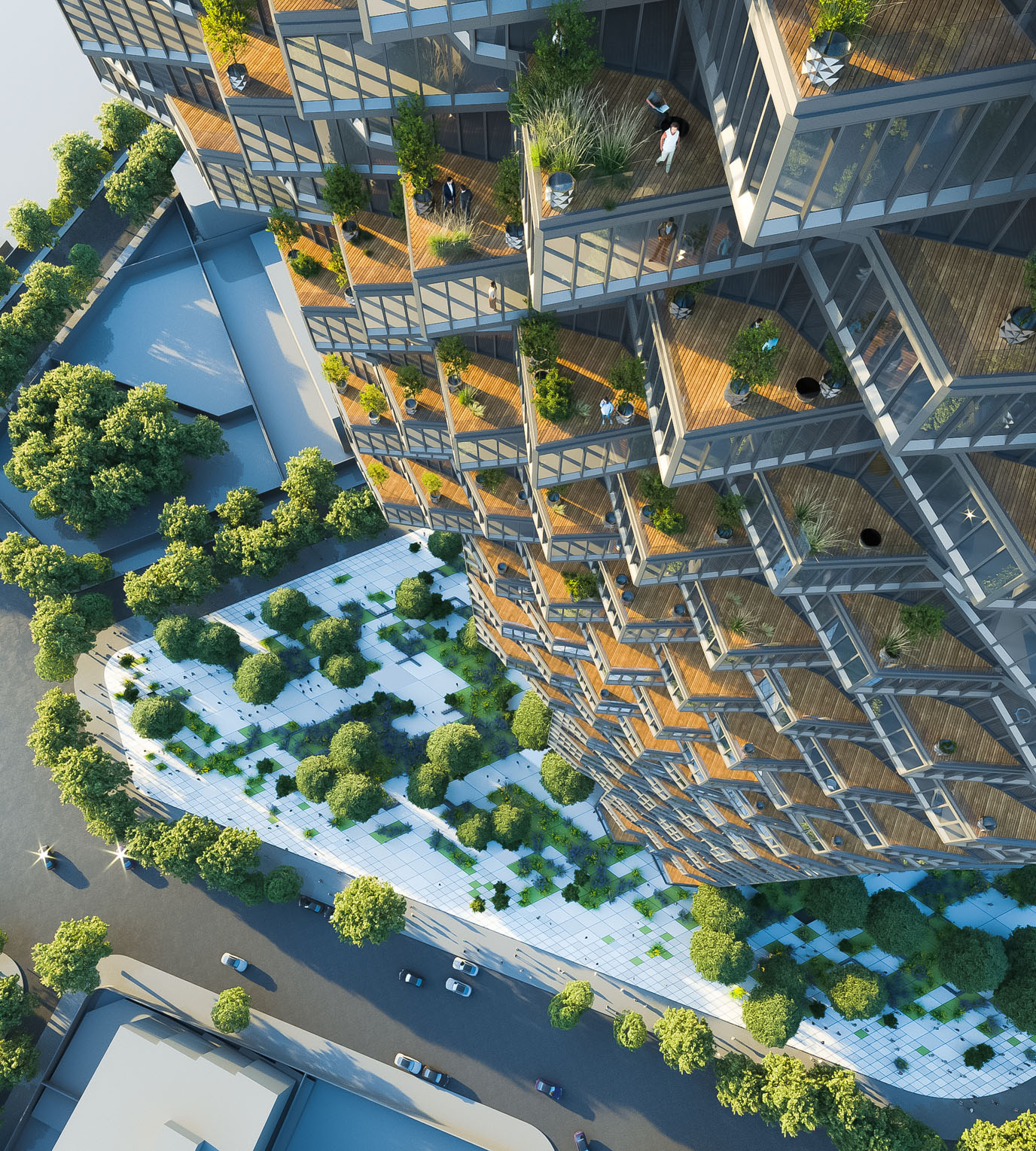
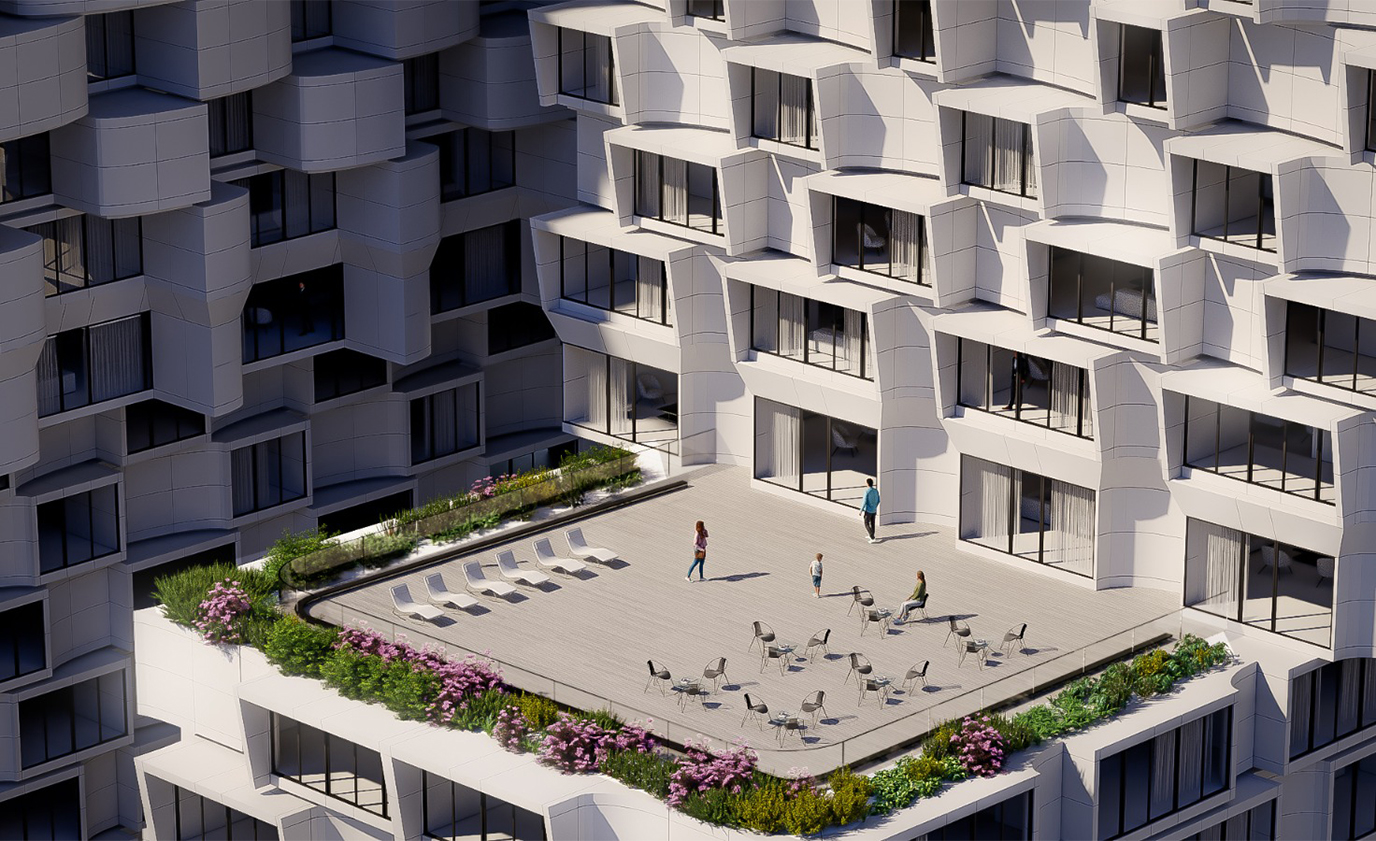
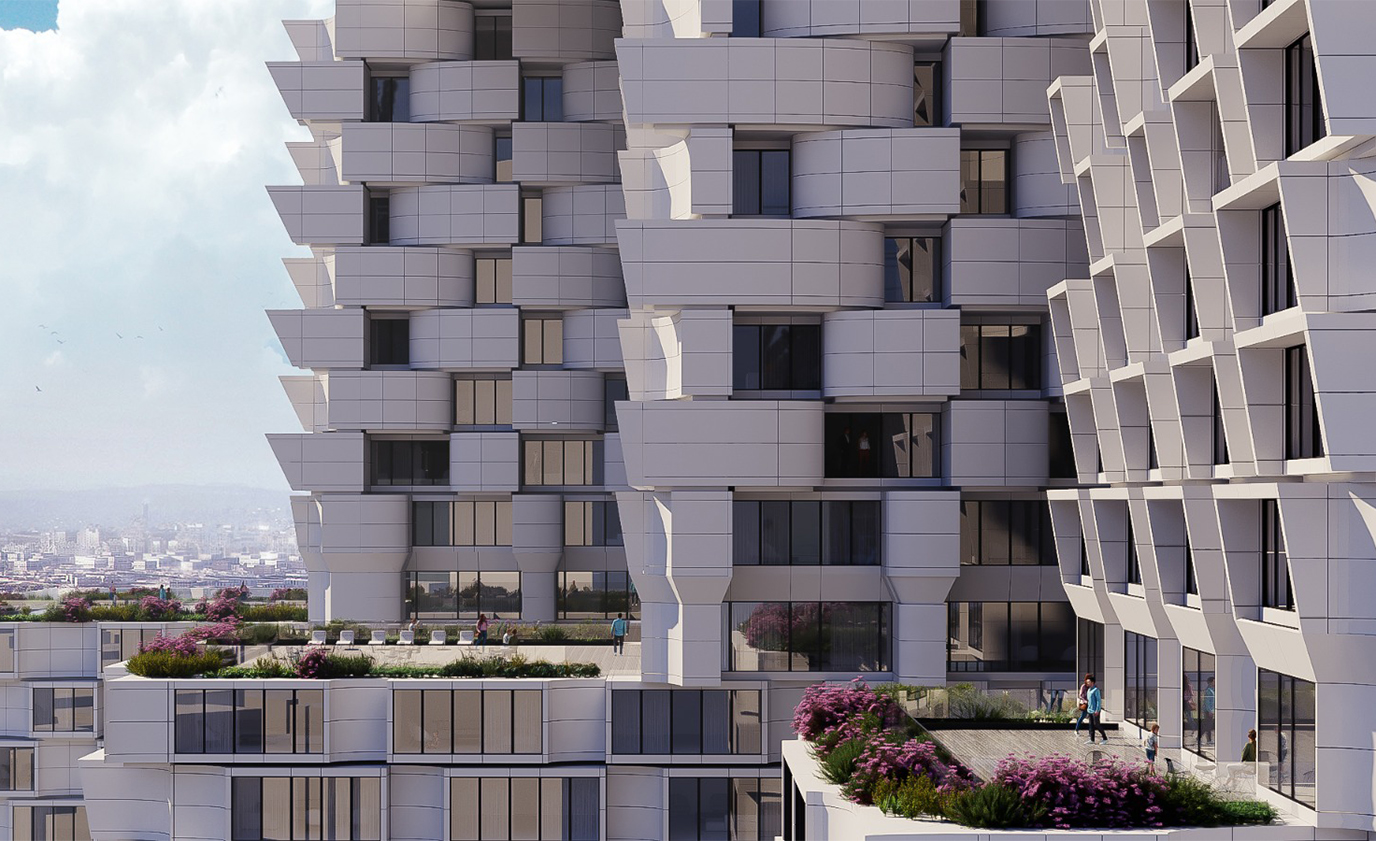
The [CSC] program responds to these global shifts by rethinking the next generation of high-rise and high-density
developments in Tehran, the second-largest metropolitan region in the Middle East.
The initiative seeks to redefine architectural and urban strategies capable of supporting rapidly expanding urban environments.
Program Overview
The workshop combined academic research with professional practice, creating a comprehensive and immersive design experience.
Each phase of the design process resulted in both digital and physical outputs, including a series of matrix-based, fully documented models and drawings. This fusion of analytical rigor and hands-on experimentation enabled participants to explore innovative approaches to vertical and high-density urban living.
Design Methodology
The form-finding process follows a rigorous morphological approach grounded in scientific exploration. It unfolds through four interconnected phases, each contributing to the development of a holistic and adaptable design system.
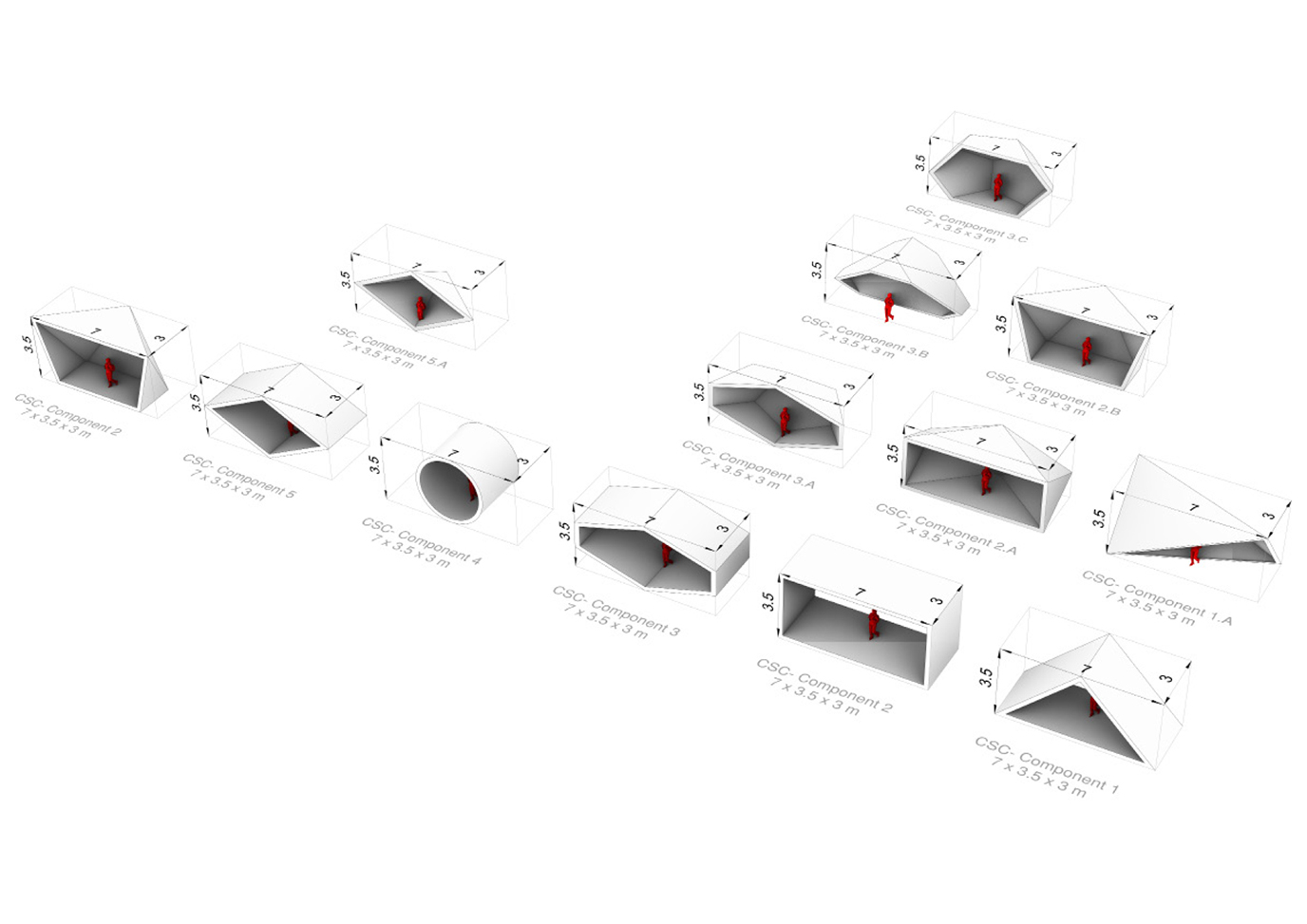
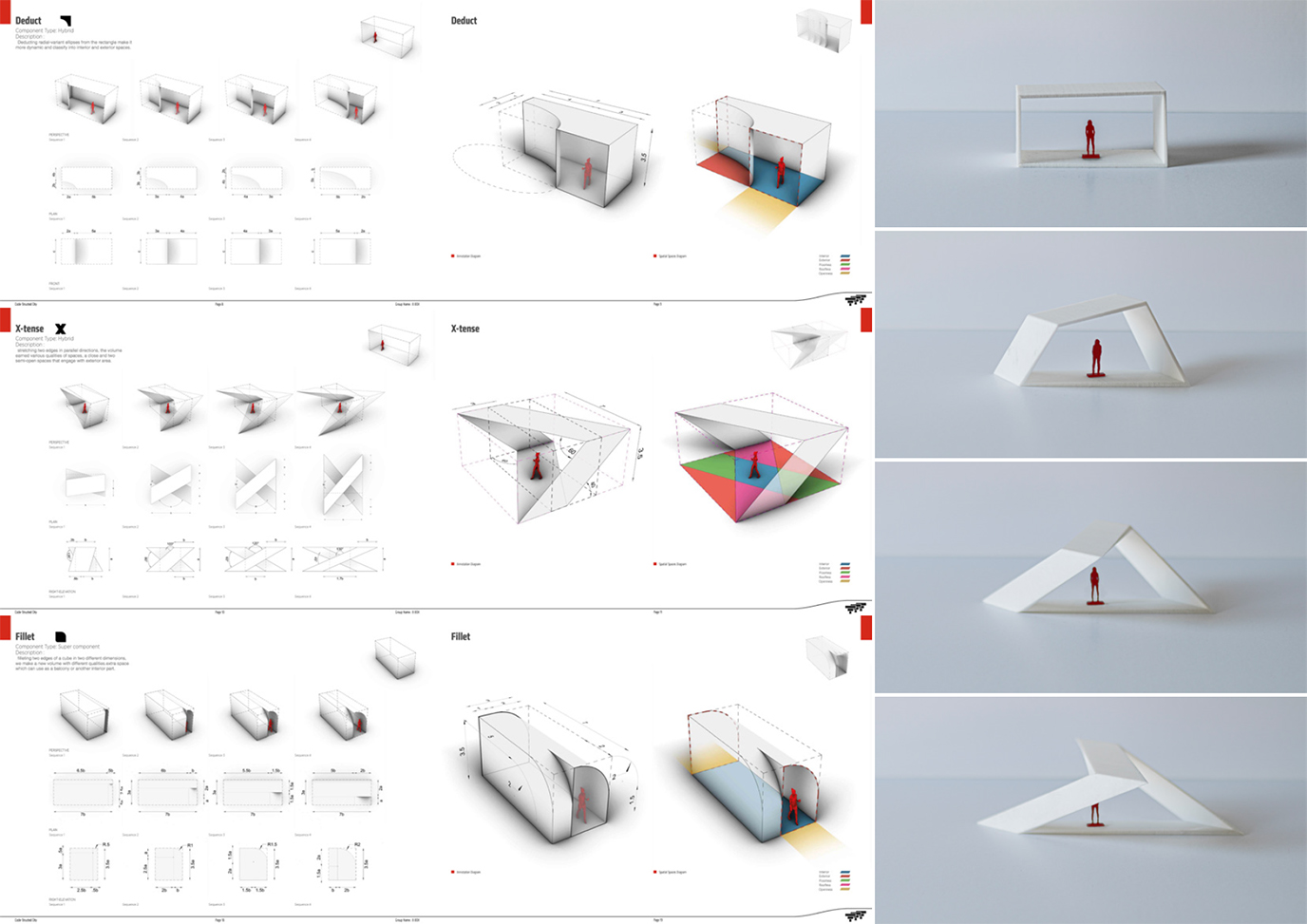
Phase 1 — Component Study
Participants begin by examining a set of pre-rationalized components. Through systematic experimentation—altering geometric parameters and reintroducing the human body as a reference for scale and proportion—they build an understanding of the component’s potential. This phase results in a matrix-based catalogue documenting all discovered configurations.
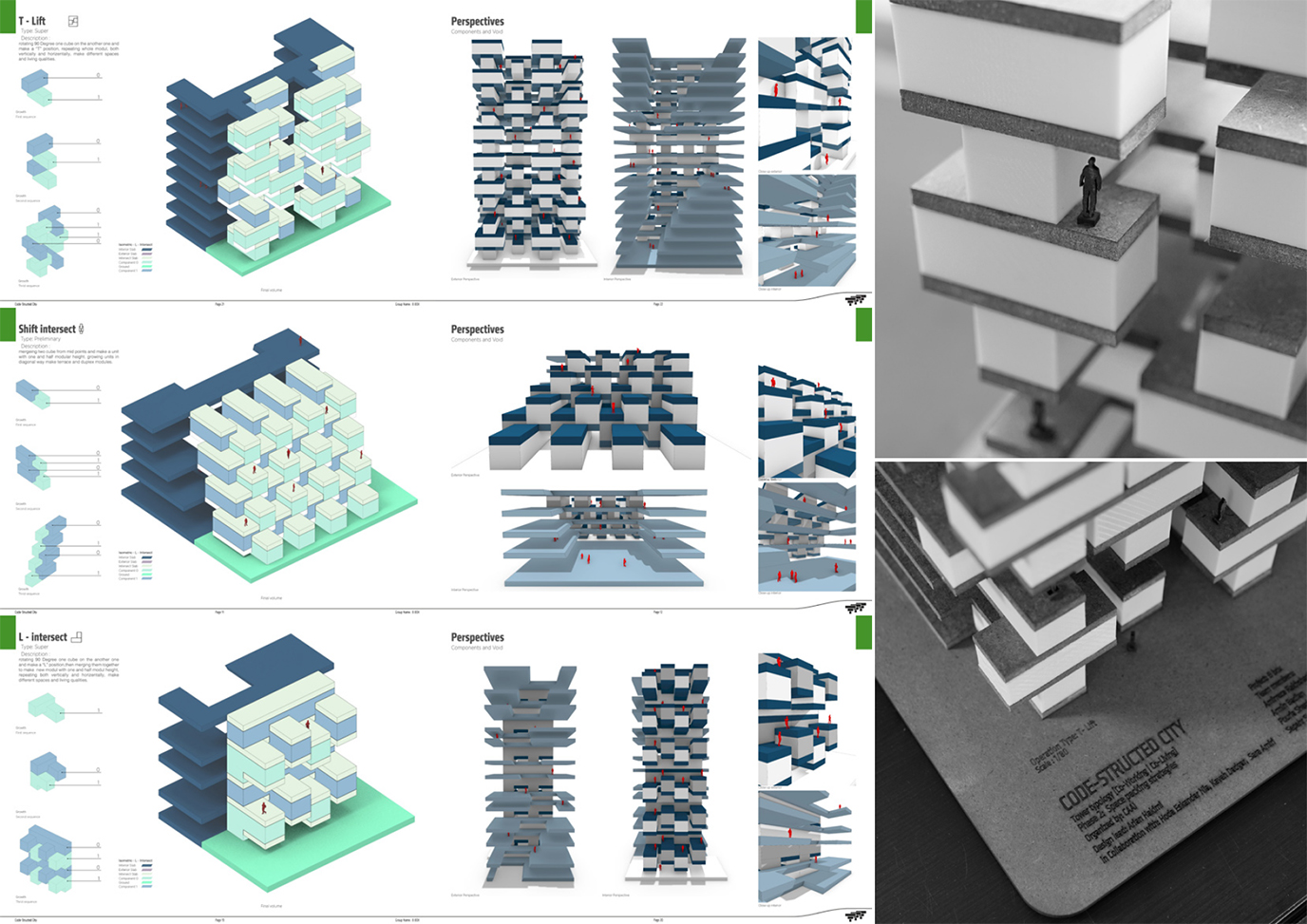
Phase 2 — Growth Study
This phase focuses on analyzing how individual components relate within controlled aggregation systems. By identifying these relationships, participants develop a problem-solving “pattern cluster language” that enables exploration of organizational structures, spatial behaviors, and subsystem formations.
Phase 3 — Program Definition
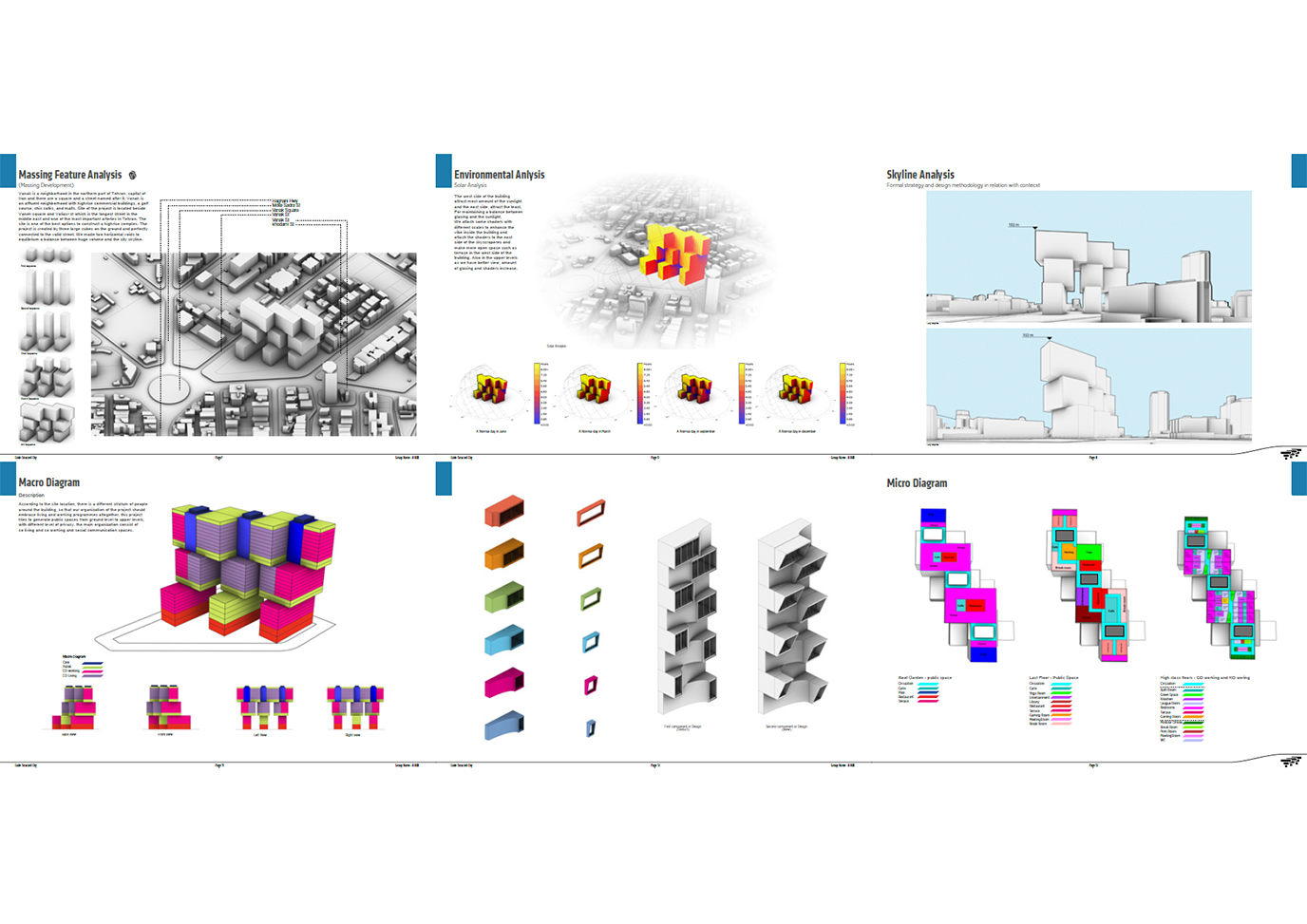
Each group formulates a design strategy based on a self-defined program brief aligned with a chosen scenario. This stage includes crafting a narrative, identifying conceptual inspiration, and articulating the intentions that guide the final project.
Phase 4 — Design Adaptation
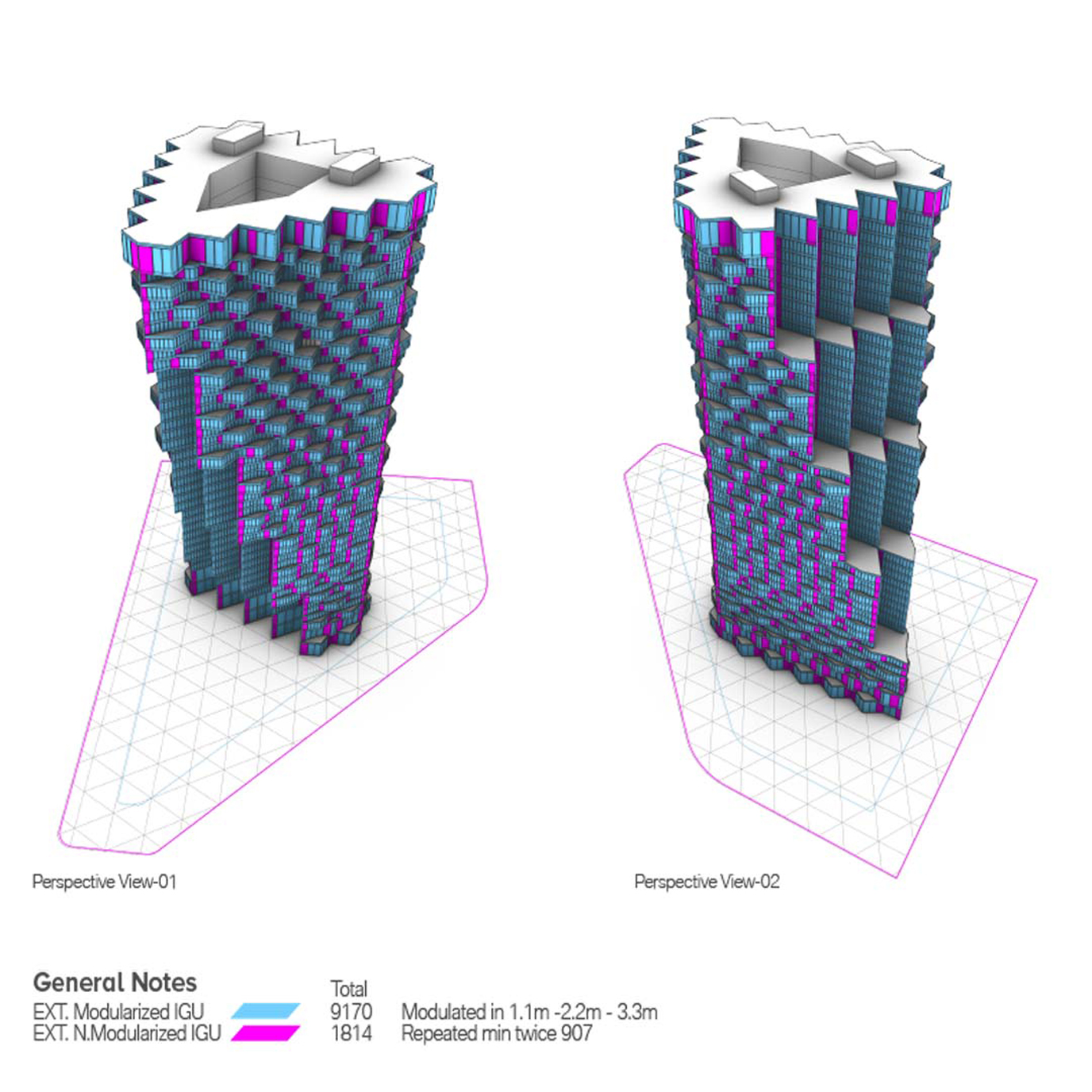
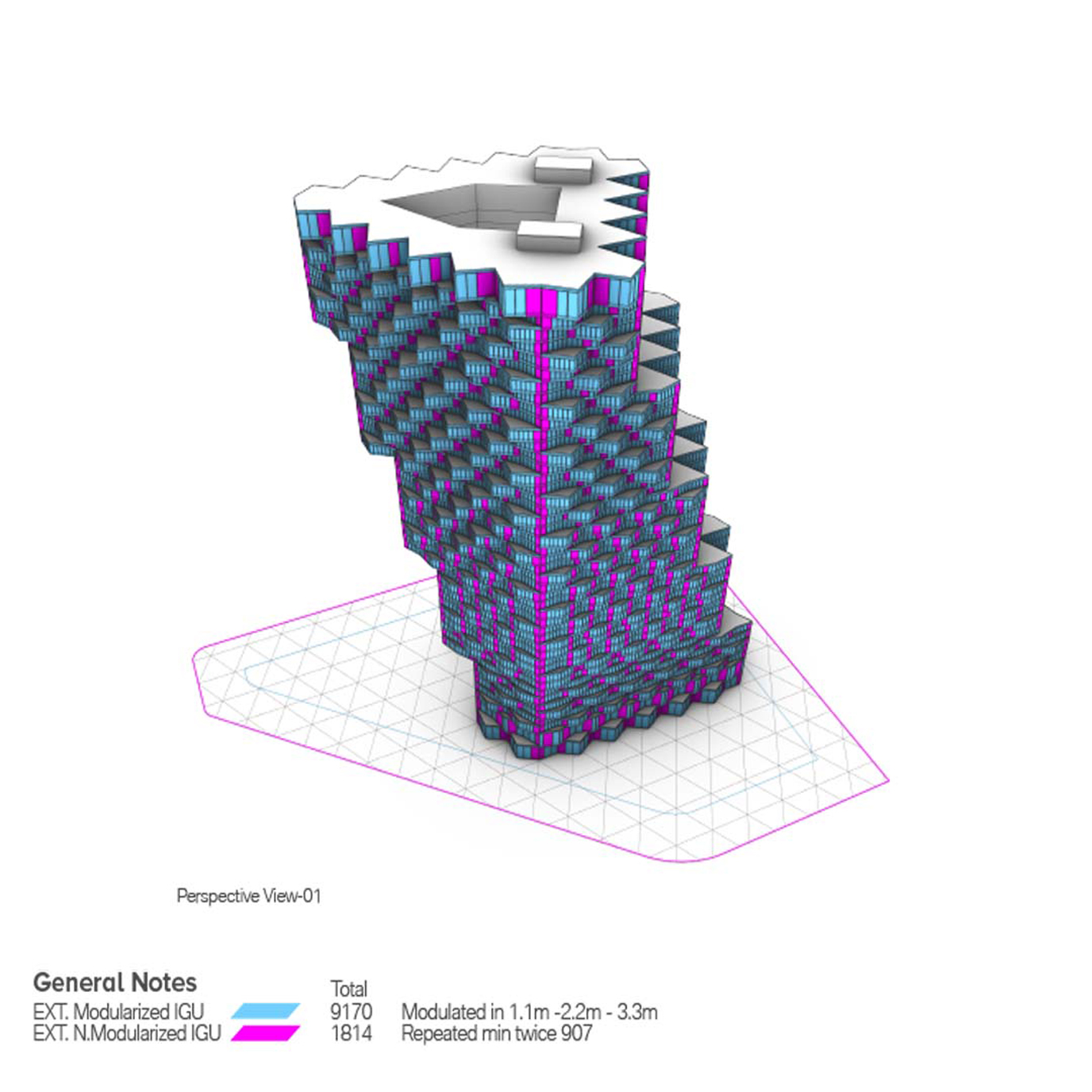
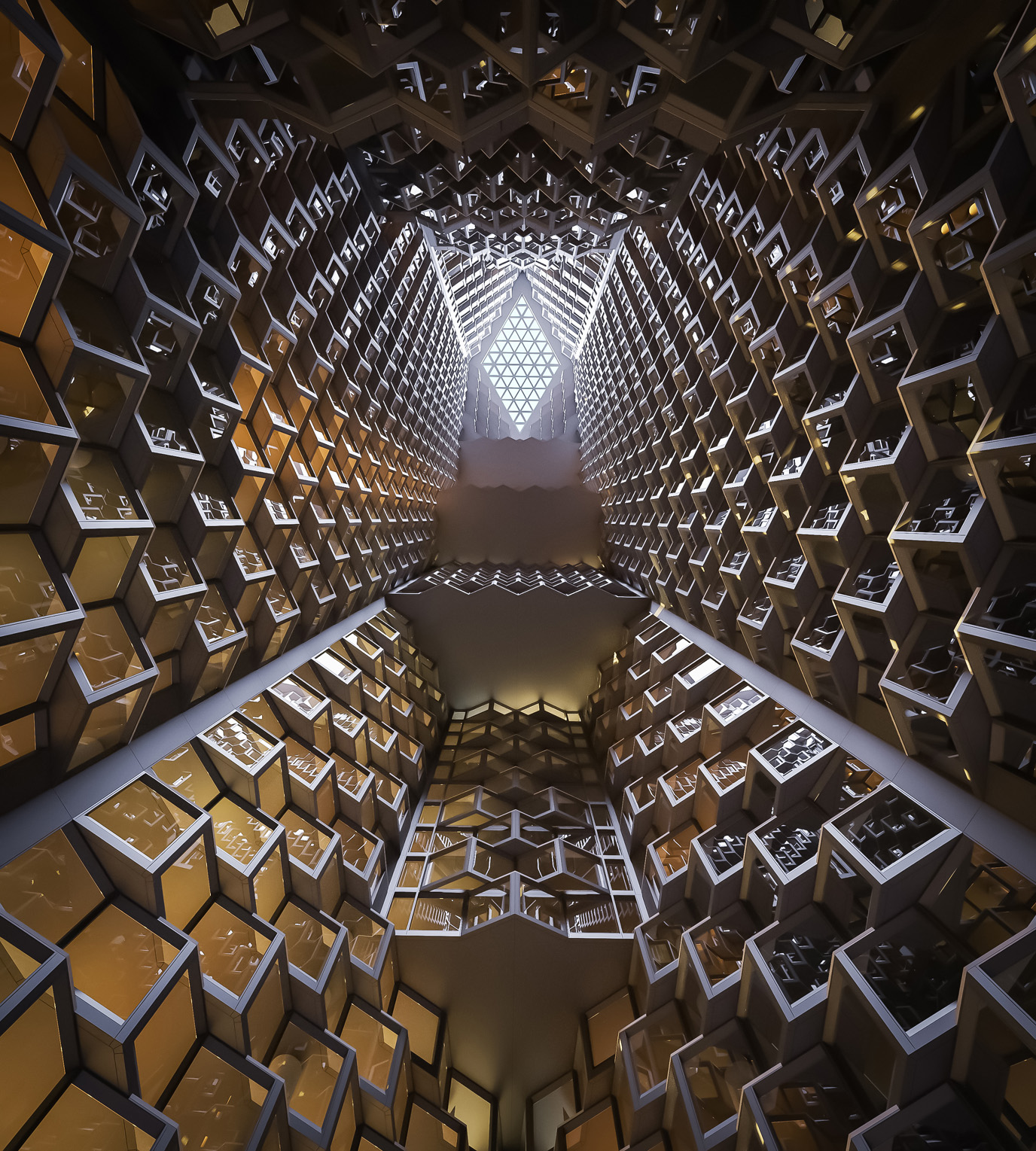
In the final phase, insights from earlier studies are synthesized into a cohesive formal strategy. Participants adapt their selected components into a modular system tailored to the site and brief conditions, transforming exploratory research into a resolved design proposal.






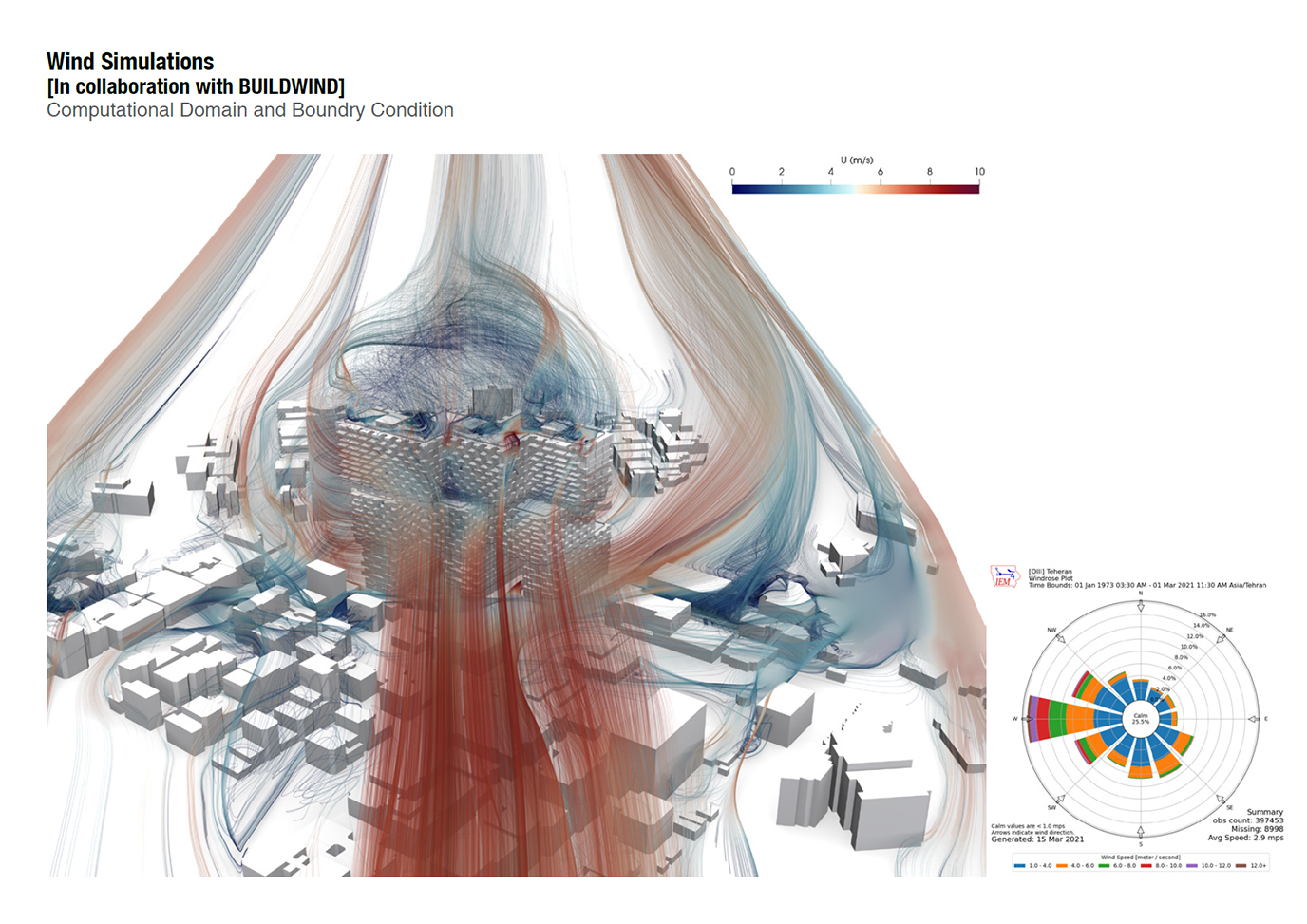
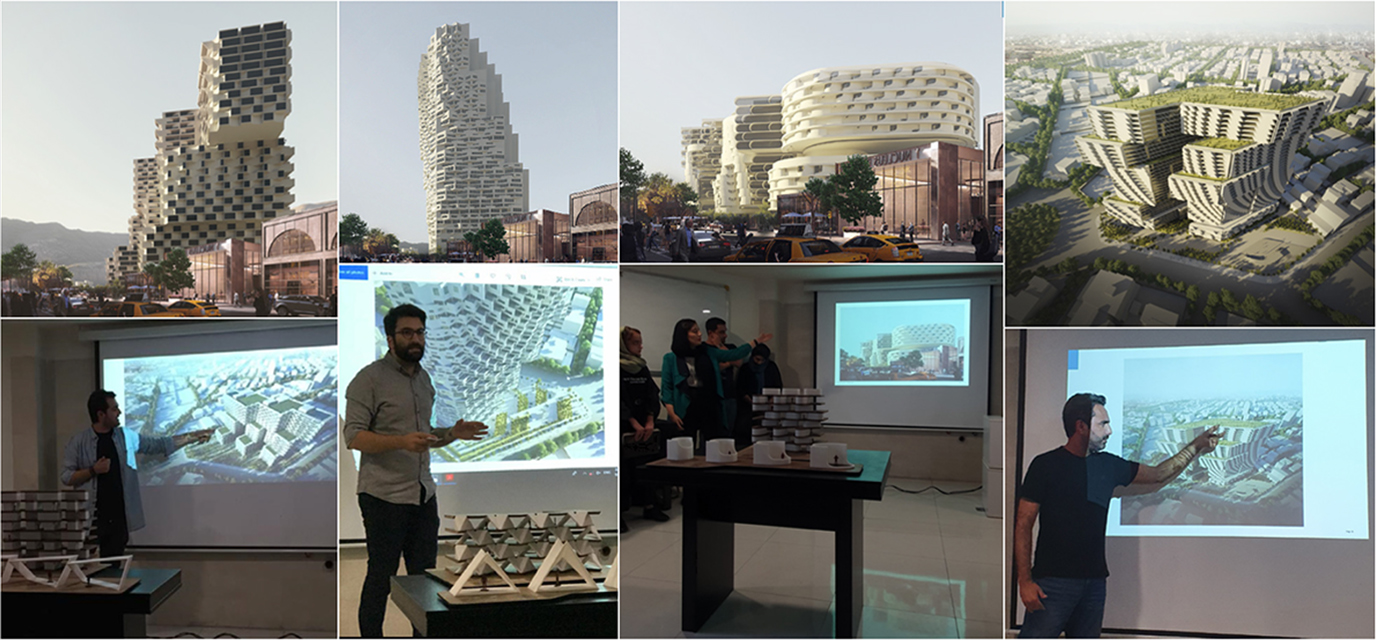
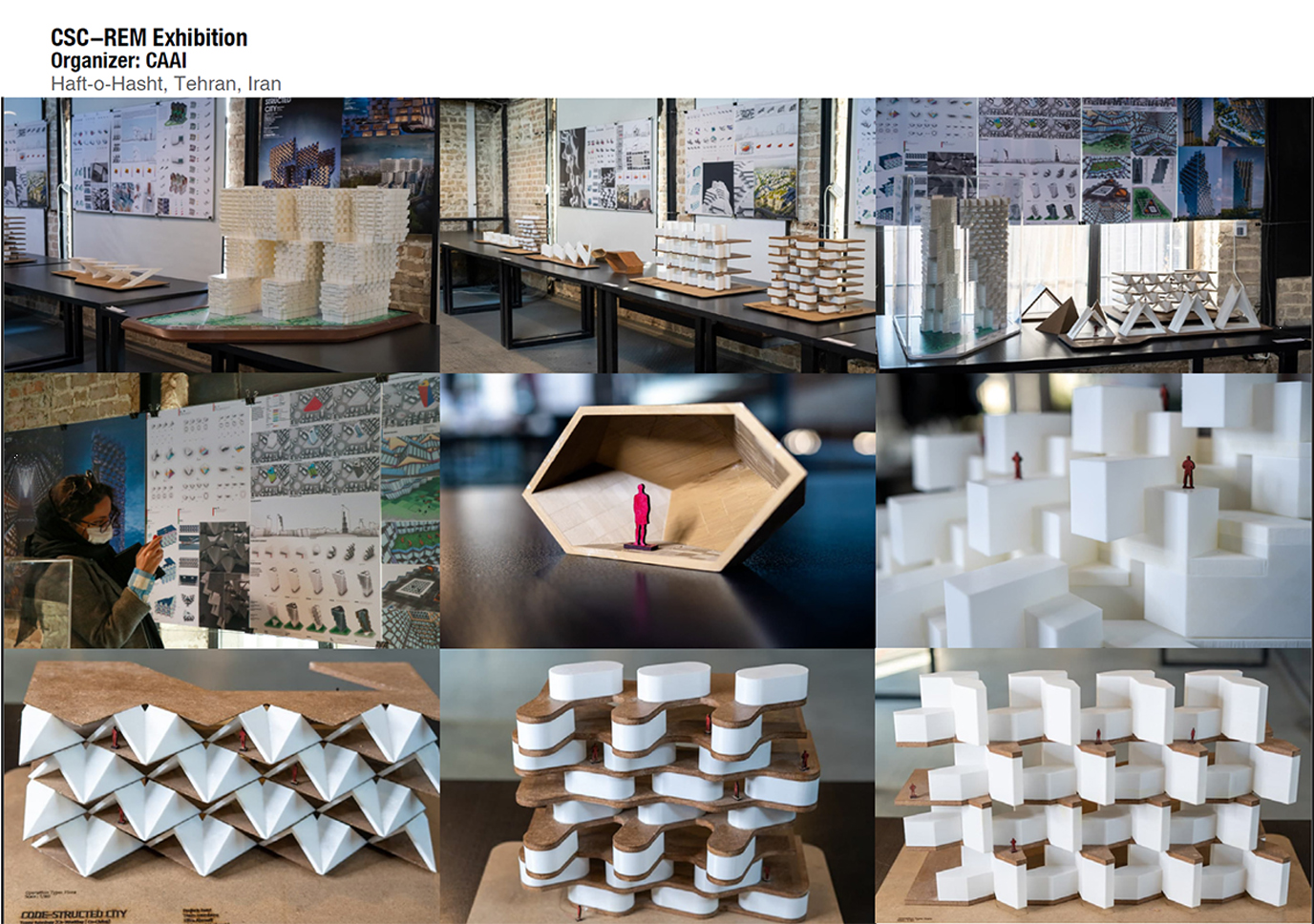
Design lead: Arian Hakimi [AHA]
In collaboration with: Hoda Eskandarnia [niastudio], Sara Amiri [Sors Studio] ,Kaveh Dadgar
Organizer: Contemporary Architects Association of Iran, CAAI