iSEAT
Haptic Interface Design for Semi-Autonomous Vehicles
Semi-autonomous vehicles are capable of navigating segments of a journey independently; however, drivers are still required to safely regain control as autonomy levels shift. These transitional moments present significant driver safety challenges, especially when users are distracted or overwhelmed by conventional audio and visual alerts—precisely when their attention is most critical.

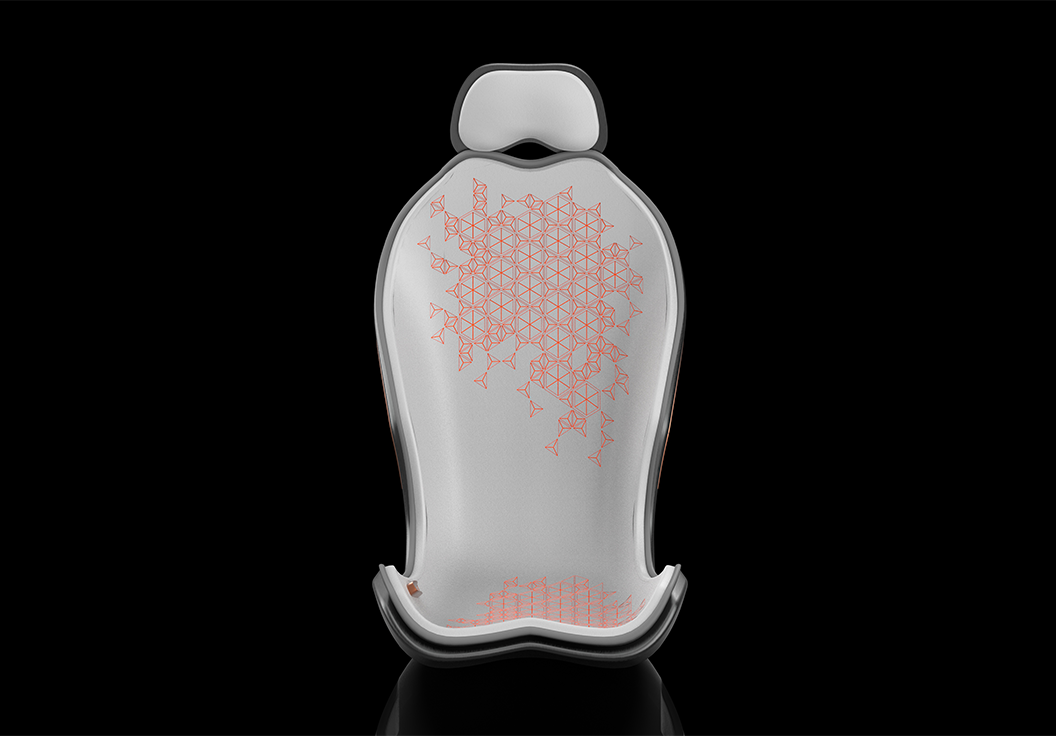
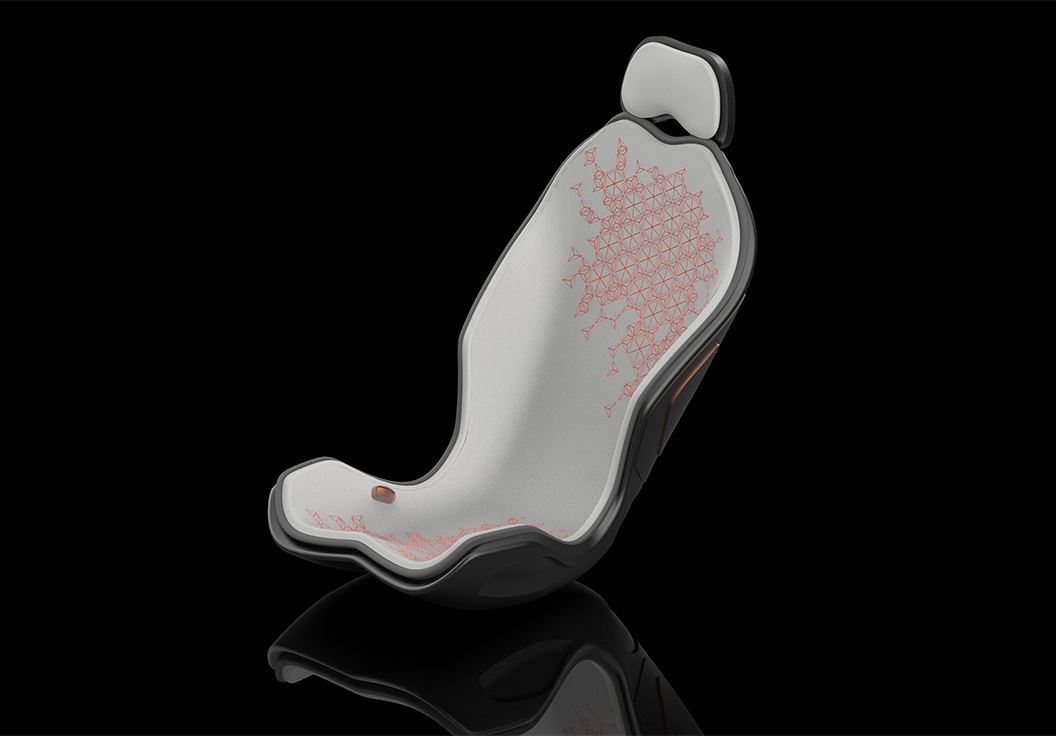
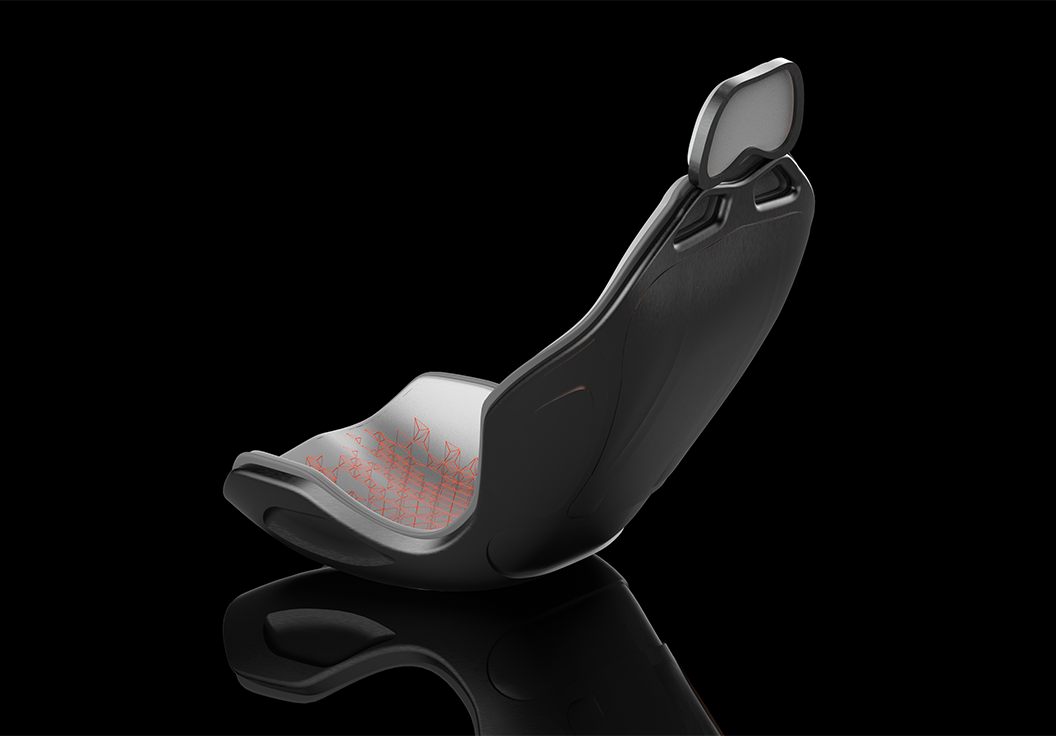
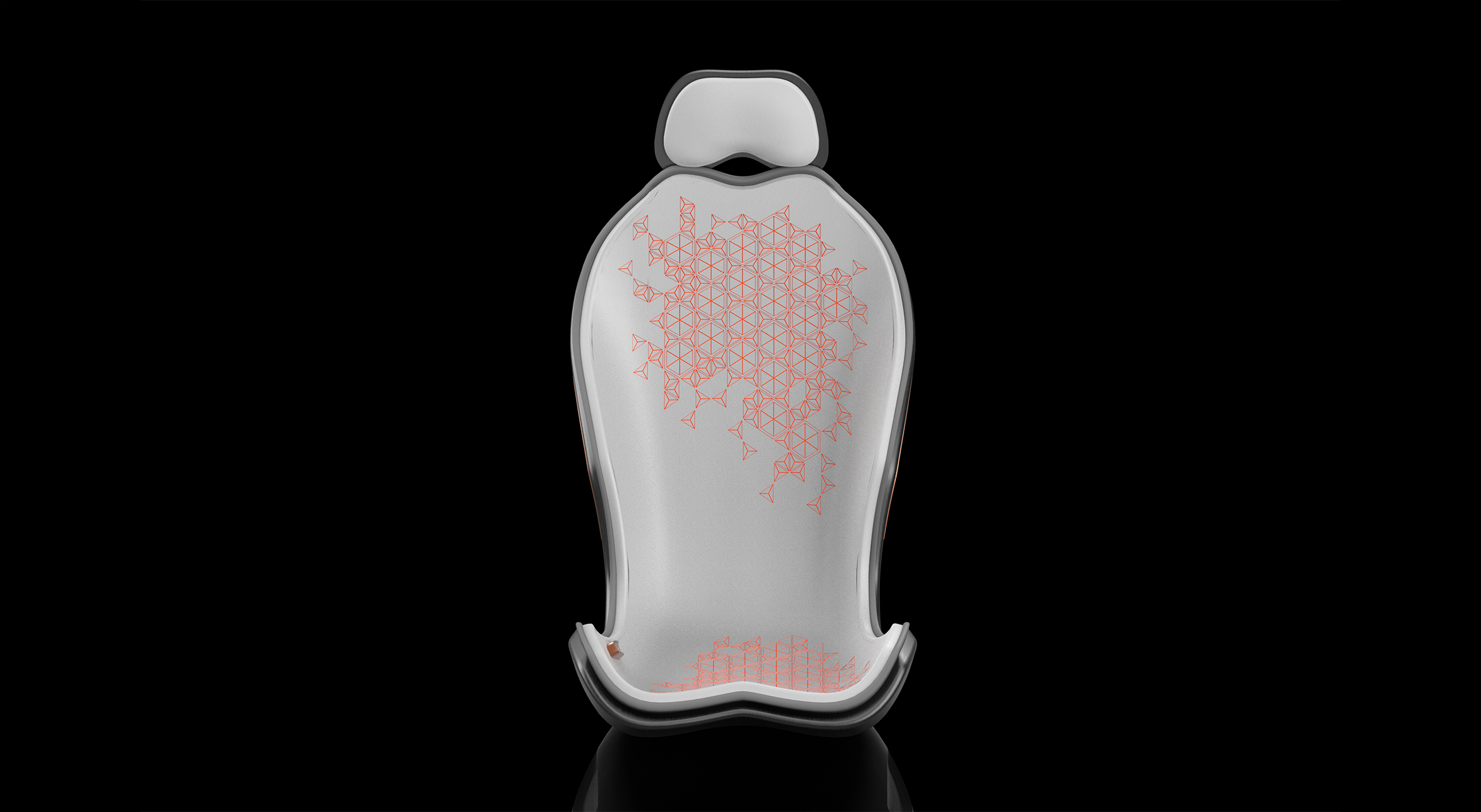
The iSeat research-by-design project investigates how the driver’s seat can evolve into an interactive haptic interface, communicating through tactile feedback rather than solely auditory or visual cues. Because the seat maintains continuous physical contact with the driver, it becomes an optimal platform for delivering subtle, intuitive, body-based signals that support safety, perception, and situational awareness. This research explores how haptic feedback mechanisms can improve human–vehicle interaction, enabling smoother transitions between autonomous modes and manual control.

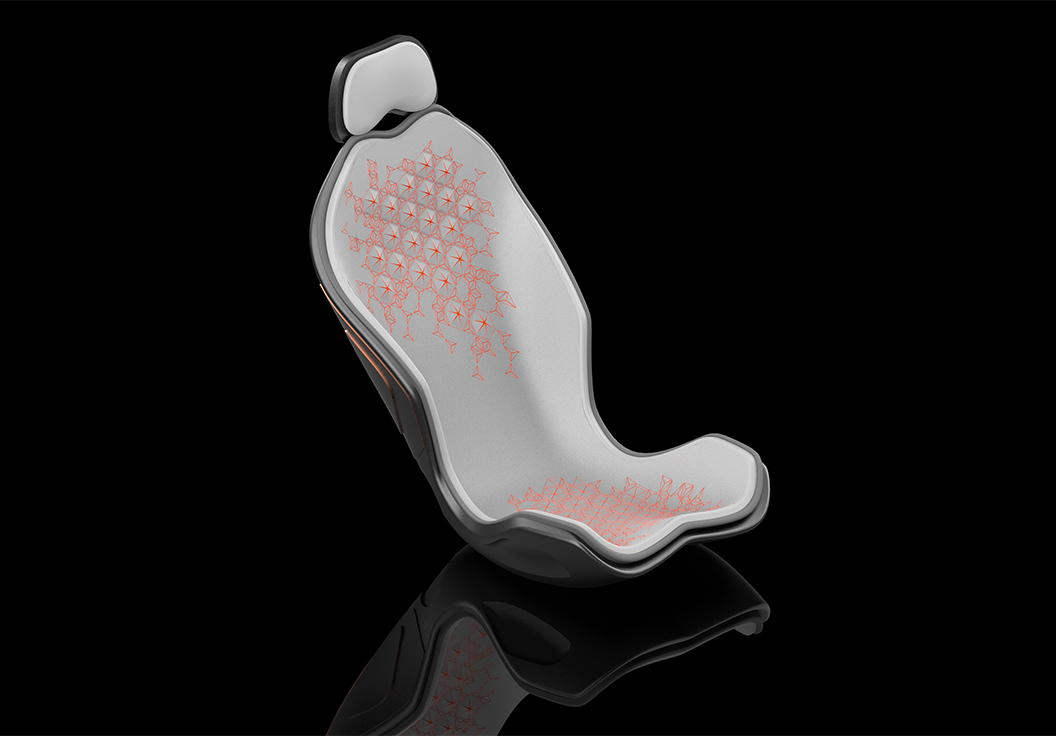
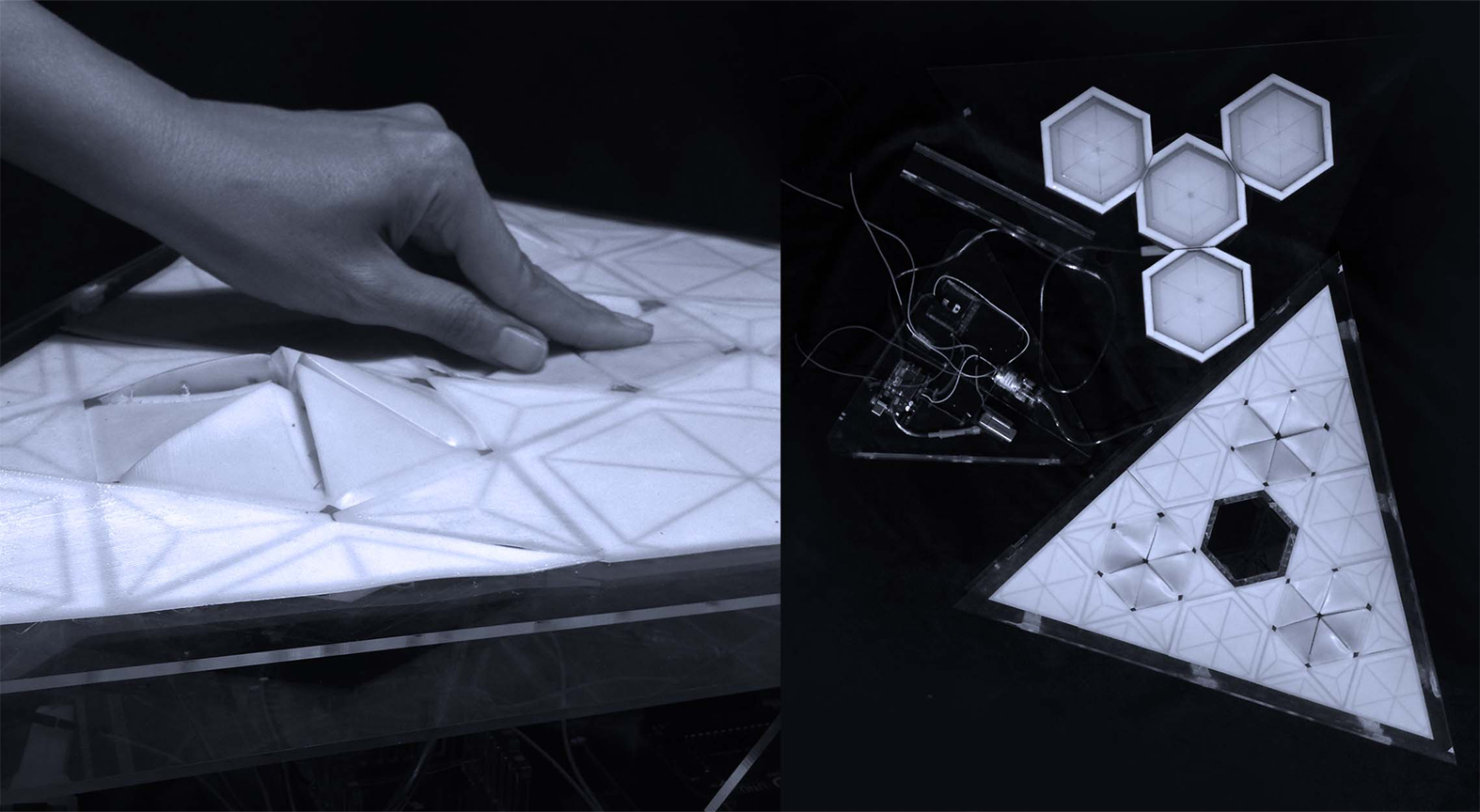

Developed as part of the Smart Seat initiative , the project is informed by a multidisciplinary foundation spanning human–computer interaction (HCI), ubiquitous computing, haptics and sensory feedback technologies, and soft robotics. Together, these fields shape a forward-looking vision for adaptive, intelligent vehicle interfaces that align with the future of mobility and human-centered automotive design.